Finding mold in a Georgia home is a reason to investigate moisture and the affected materials. It is not a reason to guess the species or health effects from color alone.
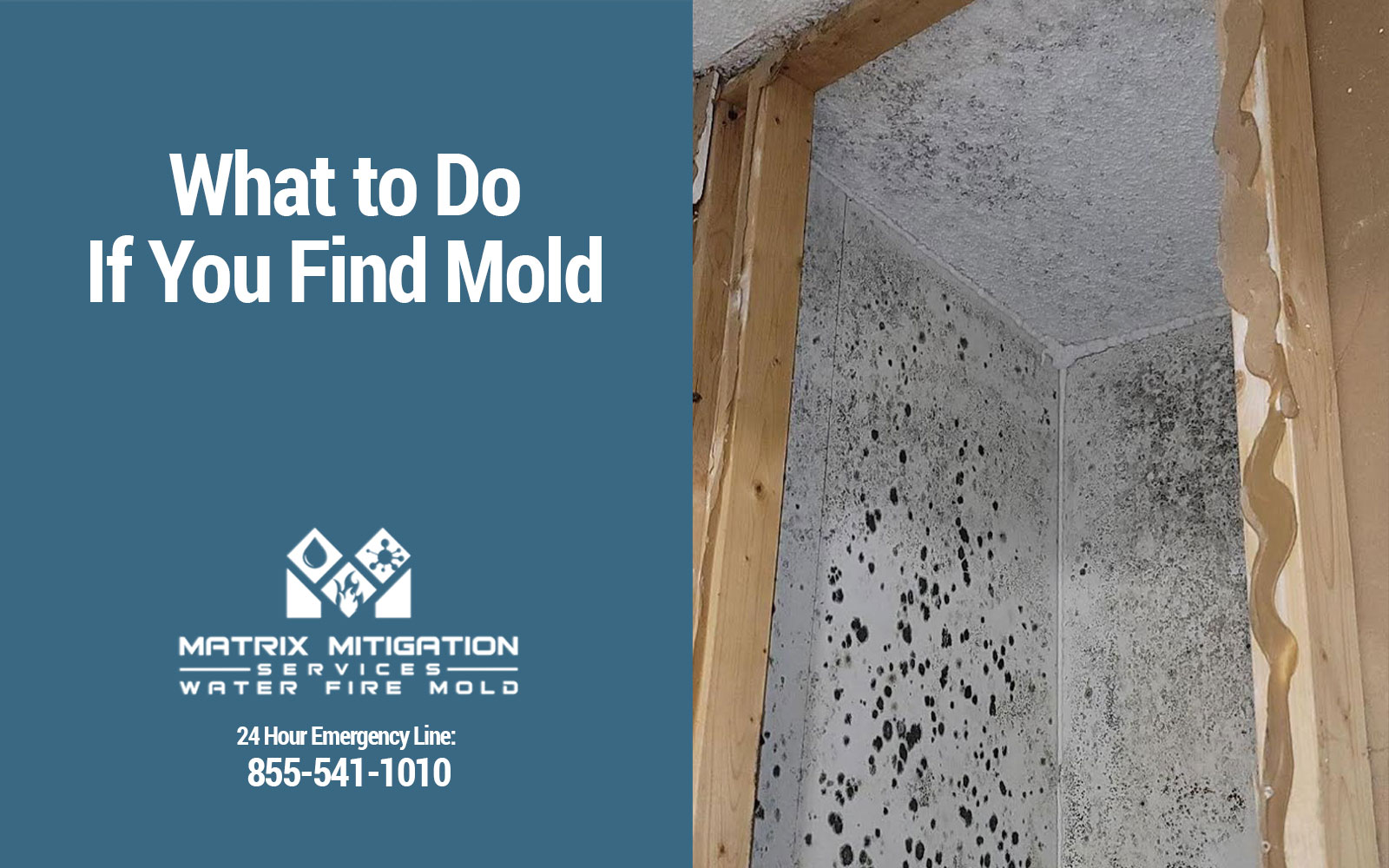
Start by gathering information about leaks, recurring dampness, or earlier water damage and arranging the appropriate assessment.
Avoid disturbing the area unnecessarily
Do not begin cutting into walls or spreading affected belongings through the home just to see how far the problem goes. Ask a provider how access and evaluation should be handled. If sewage or other contaminated water is involved, explain that during the first call.
The EPA provides homeowner guidance on the factors that influence who should perform mold cleanup. Personal health concerns should be discussed with a healthcare professional.
Identify what needs source repair
A plumbing leak, roof problem, drainage issue, or HVAC concern may require a separate specialist. Remediation does not repair every possible moisture source. Ask who will address the cause and how that work relates to the cleanup plan.
Share when the problem was discovered and whether it has appeared before. Avoid guessing an exact start date based on staining or odor.
Review the proposed scope
Ask which areas are included, why cleaning or removal is recommended, and what records will be provided. A product application alone should not be presented as a universal solution.
Matrix explains its remediation work and documents the agreed scope. Repairs and reconstruction are handled separately by others. Keep the source-repair and remediation records together for future maintenance and any insurance discussion.
Contact Matrix Mitigation Services
For 24/7 emergency mitigation assistance, call 855-541-1010. Tell us the property location and current conditions so we can discuss the next steps.
Learn about our mold remediation services or contact Matrix.
Further reading: EPA: Mold Cleanup in Your Home.