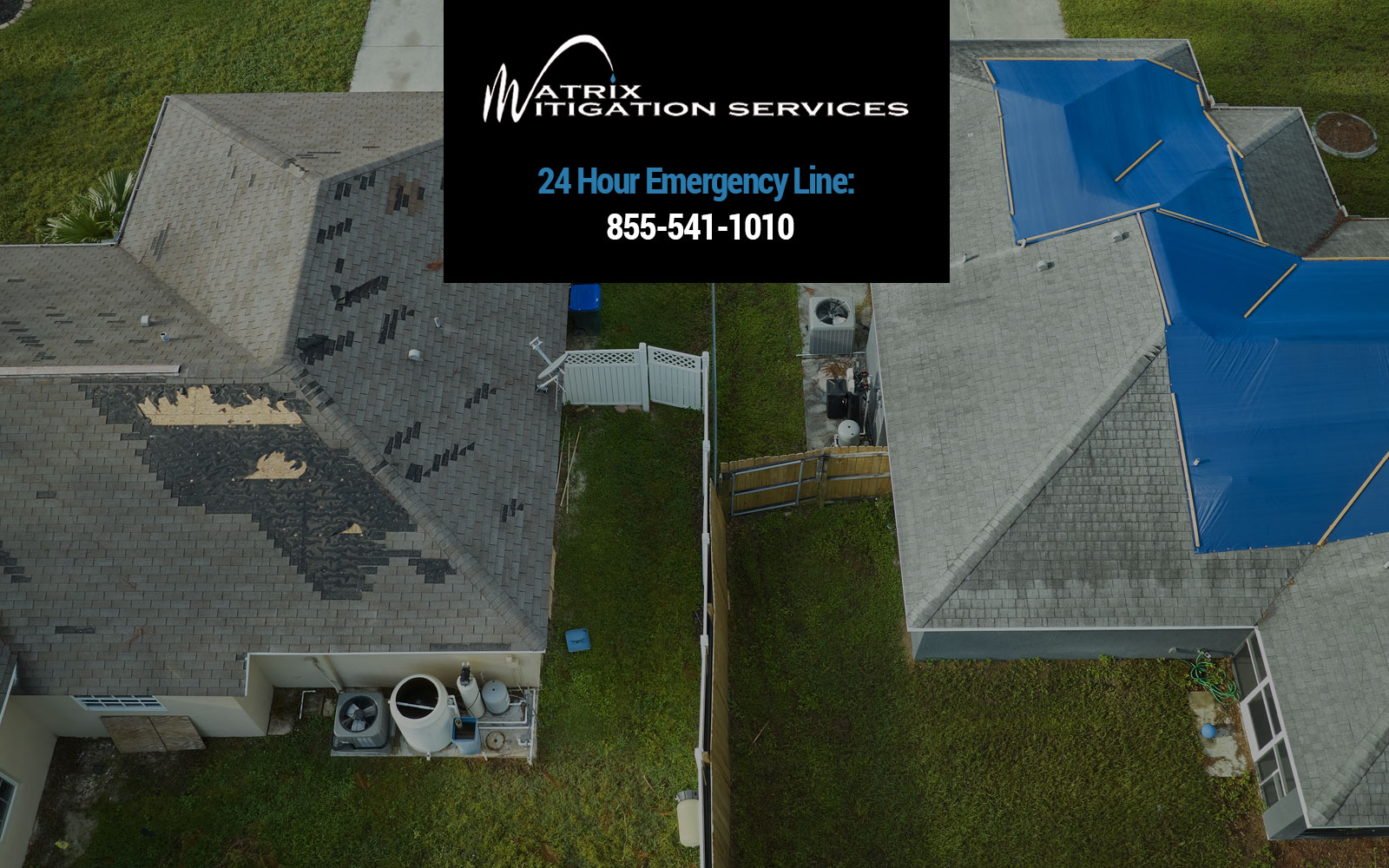
Storm damage can involve wind, rain, roof openings, surface water, or several causes at once. A recovery plan should identify the actual conditions at the property instead of treating every storm loss as the same type of damage.
For Georgia homeowners, separating emergency access, source repair, mitigation, and reconstruction makes the next steps easier to organize.
Follow the response priorities
Observe local warnings and instructions from emergency responders. Do not enter damaged areas until access is permitted. Downed lines, unstable trees, damaged roofs, and structural concerns require the appropriate authorities or qualified specialists.
Document visible conditions only when it is safe. Note where water appeared and whether it continues entering during rain.
Arrange the appropriate source repairs
A roofer, drainage contractor, plumber, or other provider may be needed to address how water enters. Ask who is responsible for temporary protection and permanent repair. Do not assume those tasks are included in a water mitigation agreement.
Share completed repair information with the mitigation team so the drying plan reflects the condition of the source.
Assess and mitigate affected areas
Matrix evaluates water-affected materials and explains the proposed extraction, drying, or remediation work. Scope and equipment decisions depend on the assessment. Follow-up records help explain progress and changes.
Repairs and reconstruction are handled separately by others. Keep each contractor's records together, and ask your insurer about policy-specific requirements. A storm occurring near the property does not by itself establish coverage, the cleanup category, or the total work needed.
Contact Matrix Mitigation Services
For 24/7 emergency mitigation assistance, call 855-541-1010. Tell us the property location and current conditions so we can discuss the next steps.
Learn about our water damage mitigation services or contact Matrix.