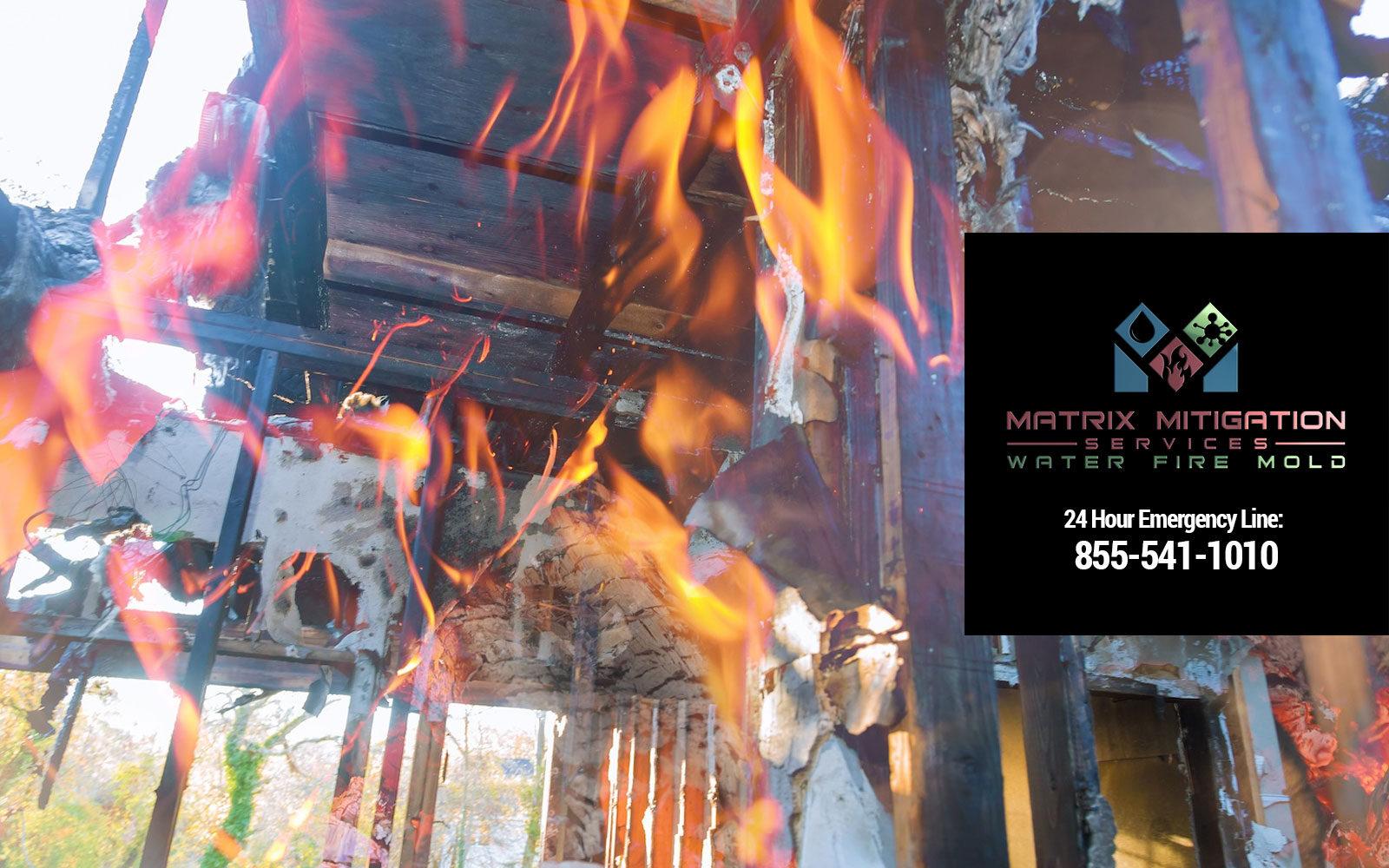
After a fire, decisions about restoring or replacing materials and belongings depend on their condition and the type of damage. A homeowner should not have to make those decisions solely from a photograph, an odor, or a general rule about what fire-damaged items look like.
Consider the material and the damage
Hard surfaces, porous materials, electronics, and personal belongings can present different questions. Heat exposure, soot, firefighting water, and accessibility may influence the assessment. Some items need a specialist outside the mitigation provider's scope.
Ask what supports a recommendation to clean, retain, remove, or refer an item for further evaluation.
Discuss practical limitations
A proposed cleaning method should suit the material and the condition found. Replacement may be appropriate in some cases, while other items may be considered for restoration. There should be no blanket promise that everything can be saved or that replacement is always cheaper.
For sentimental items, tell the provider about their significance early so that handling and possible specialist assessment can be discussed.
Keep decisions documented
Photographs, inventories, estimates, and work notes help record what was assessed. Ask your insurer about claim documentation and disposal procedures where applicable. Coverage decisions remain separate from the contractor's recommendation about a material or item.
Matrix provides mitigation and remediation within the agreed scope. Structural repairs, replacement finishes, and reconstruction are handled by others. Clarify who is responsible for those next steps before assuming a cleaning estimate includes complete rebuilding.
Contact Matrix Mitigation Services
For 24/7 emergency mitigation assistance, call 855-541-1010. Tell us the property location and current conditions so we can discuss the next steps.
Learn about our fire and smoke mitigation services or contact Matrix.