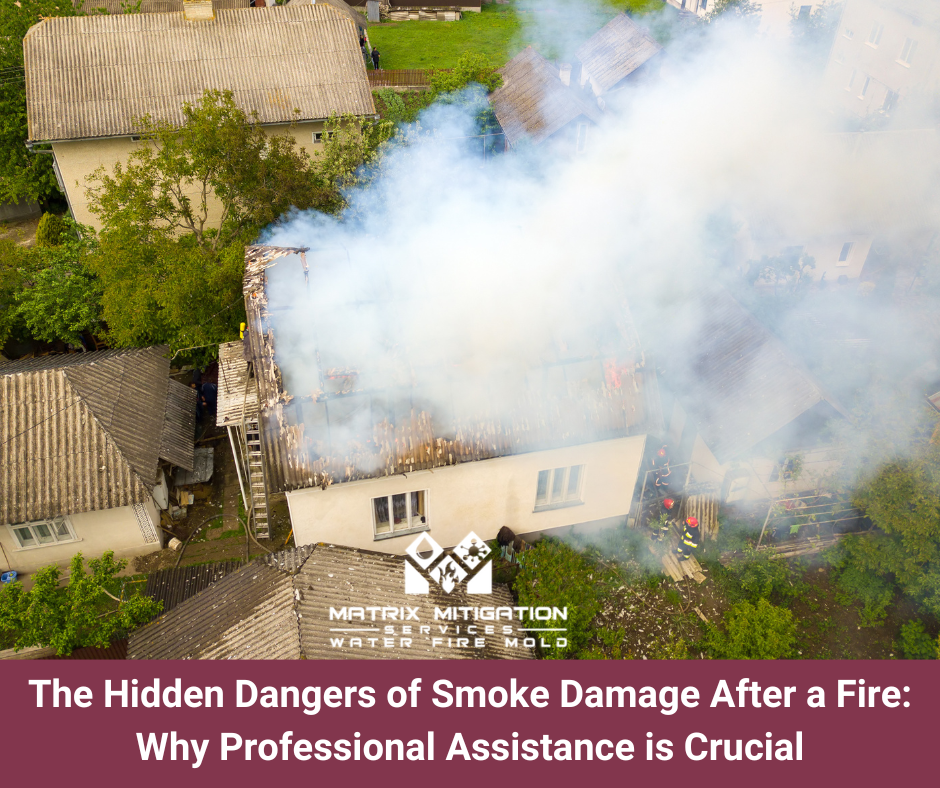
Smoke damage can extend beyond the part of a property visibly burned. Soot, odors, firefighting water, and damaged materials may require different assessments and cleaning decisions.
A homeowner should understand the proposed scope before assuming that wiping surfaces or masking an odor completes recovery.
Confirm access and specialist needs
Follow fire officials' instructions about entering the property. Electrical, structural, and suspect-material concerns may need separate qualified assessment. Do not begin opening assemblies or disturbing damaged surfaces simply to investigate the source of an odor.
Tell the provider what responders have communicated and what work has already been performed.
Ask what will be evaluated
Smoke-related conditions can affect surfaces, contents, and areas not immediately obvious from the room where the fire started. Ask which spaces and materials are included and whether particular belongings need a specialist.
Cleaning methods should suit the material and condition. No provider should promise that every finish or possession can be restored without assessment. Odor improvement alone does not answer every question about the work.
Document the work and remaining needs
Keep the scope, photographs, inventories, and work records. Ask how changes will be communicated and what remains outside the agreement. If insurance is involved, discuss coverage and documentation directly with the insurer.
Matrix provides mitigation and remediation within its agreed scope. Repairs and reconstruction are handled separately by others. Questions about symptoms or personal exposure should be directed to a healthcare professional rather than treated as something a cleanup contractor can diagnose.
Contact Matrix Mitigation Services
For 24/7 emergency mitigation assistance, call 855-541-1010. Tell us the property location and current conditions so we can discuss the next steps.
Learn about our fire and smoke mitigation services or contact Matrix.