A sewage backup is different from an ordinary spill. The water and affected materials may be contaminated, and cleanup decisions involve more than removing a visible puddle.
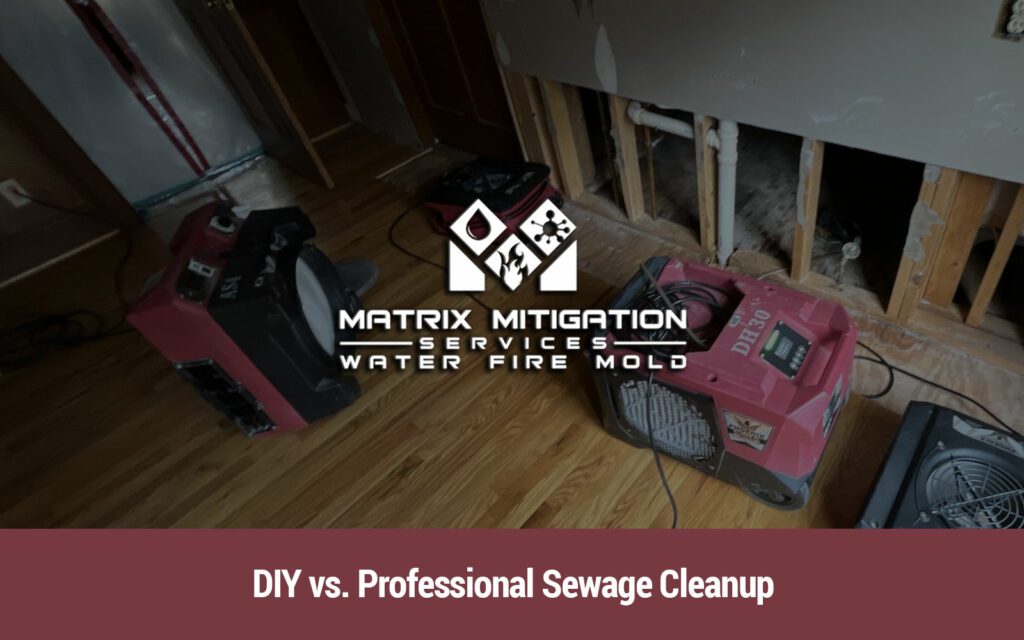
For a homeowner comparing do-it-yourself cleanup with professional assistance, the important question is whether the source, affected area, and material conditions have been properly assessed.
What household cleanup can miss
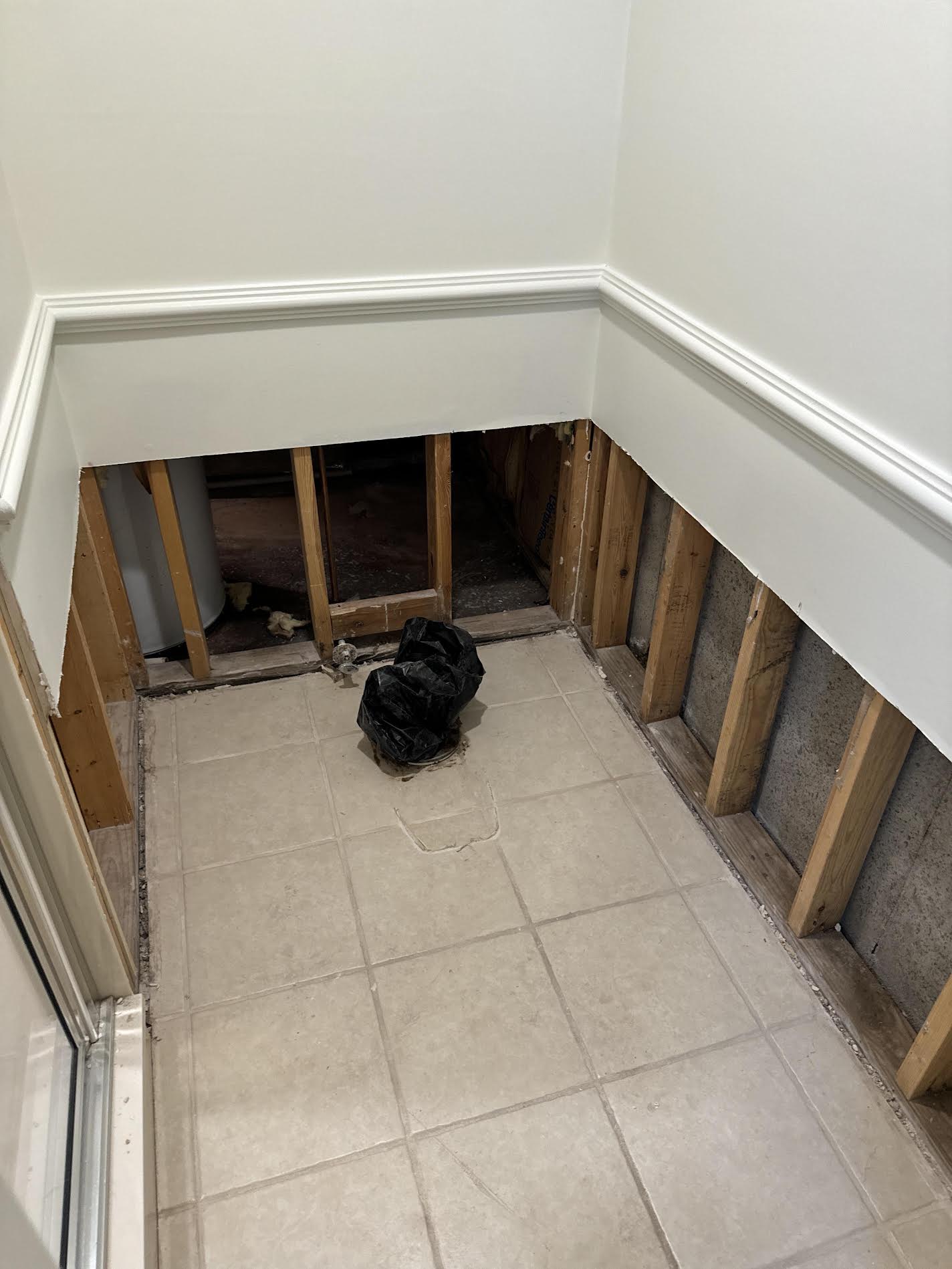
Wastewater can contact adjoining materials and move into spaces that are difficult to inspect. Moving belongings or using equipment without a plan may complicate cleanup. A surface that looks clean does not establish the condition of the assembly underneath it.
Keep people and pets away from the affected area and arrange the appropriate plumbing or utility assistance to address the source.
What to ask a cleanup provider
Ask about experience with contaminated-water losses, the proposed scope, and how cleaning or removal recommendations will be explained. Discuss contents handling and records of affected materials.
The EPA recommends professional help experienced in contaminated-water damage when sewage is involved. Avoid blanket claims that all belongings can be saved, all materials must be discarded, or a single product solves every backup.
Coordinating mitigation and repair
Matrix provides mitigation and remediation within the agreed scope. A plumber or relevant utility addresses the wastewater problem; repairs and reconstruction are handled separately by others.
Request a point of contact and an explanation of access, monitoring, and documentation. If insurance is involved, ask your insurer about this specific loss rather than assuming every policy includes sewer-backup coverage.
Contact Matrix Mitigation Services
For 24/7 emergency mitigation assistance, call 855-541-1010. Tell us the property location and current conditions so we can discuss the next steps.
Learn about our sewage cleanup services or contact Matrix.
Further reading: EPA: Mold Cleanup in Your Home.